At a glance
Six people. Six lessons.
- 01Nick Ingham Baltic Power
Set achievable schedules, get management offshore and listen to the crew. - 02Sławomir Michaluk Vestas
Crews put pressure on themselves. Managers need to spot it early. - 03Monika Weis PGE Baltica
People need the confidence to speak up, and leaders need time for them. - 04Jes Björk Thrane Ørsted
Recognise the safe decision, not just the turbine going green. - 05Tomasz Cendrowski ORLEN Neptun
Safety belongs to everyone. People stay at the centre of the KPIs. - 06Hanna Drabczyk Health4
Procedures have to match the job the crew is actually doing.
- The workshop
- Event
- Offshore Wind Poland 2026
- Session
- Offshore wind at full speed: can safety keep up?
- Where
- London Room, Warsaw
- When
- 17 November 2026
- Organiser
- PSEW, panel partner Health4Wind
I’ve spent 21 years offshore. Started out on the tools, worked the cranes, moved through rigging and deck supervision, and eventually into offshore construction management.
One thing I’ve learned along the way is that the plan written in the office and the job you end up doing on deck aren’t always the same thing.
Weather changes. Equipment plays up. A vessel loses its working window. The schedule starts moving to the right.
That’s offshore construction.
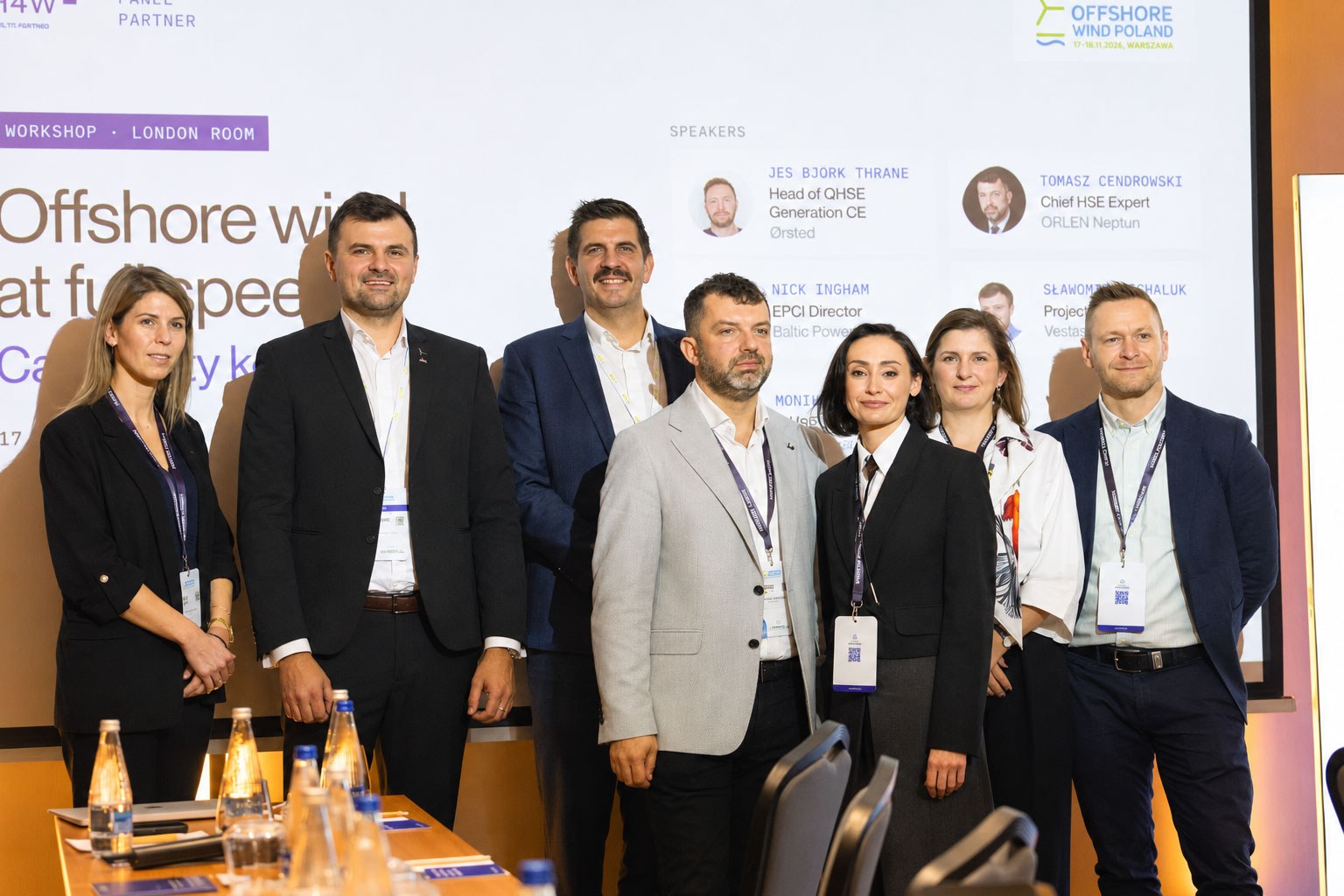
And it’s why I was keen to attend the Health4Wind workshop at Offshore Wind Poland 2026 in Warsaw. We had senior people from Baltic Power, Vestas, Ørsted, PGE Baltica and ORLEN Neptun discussing how to keep people safe as Poland’s offshore wind industry moves further into construction.
There was some serious experience in that room.
What I liked was that the conversation didn’t stop at safety stats and procedures. The speakers talked about the people doing the work, the pressure they face, and what management can do to support them.
01/ 07Baltic Power
Get management offshore and listen
Nick InghamEPCI Director, Baltic Power
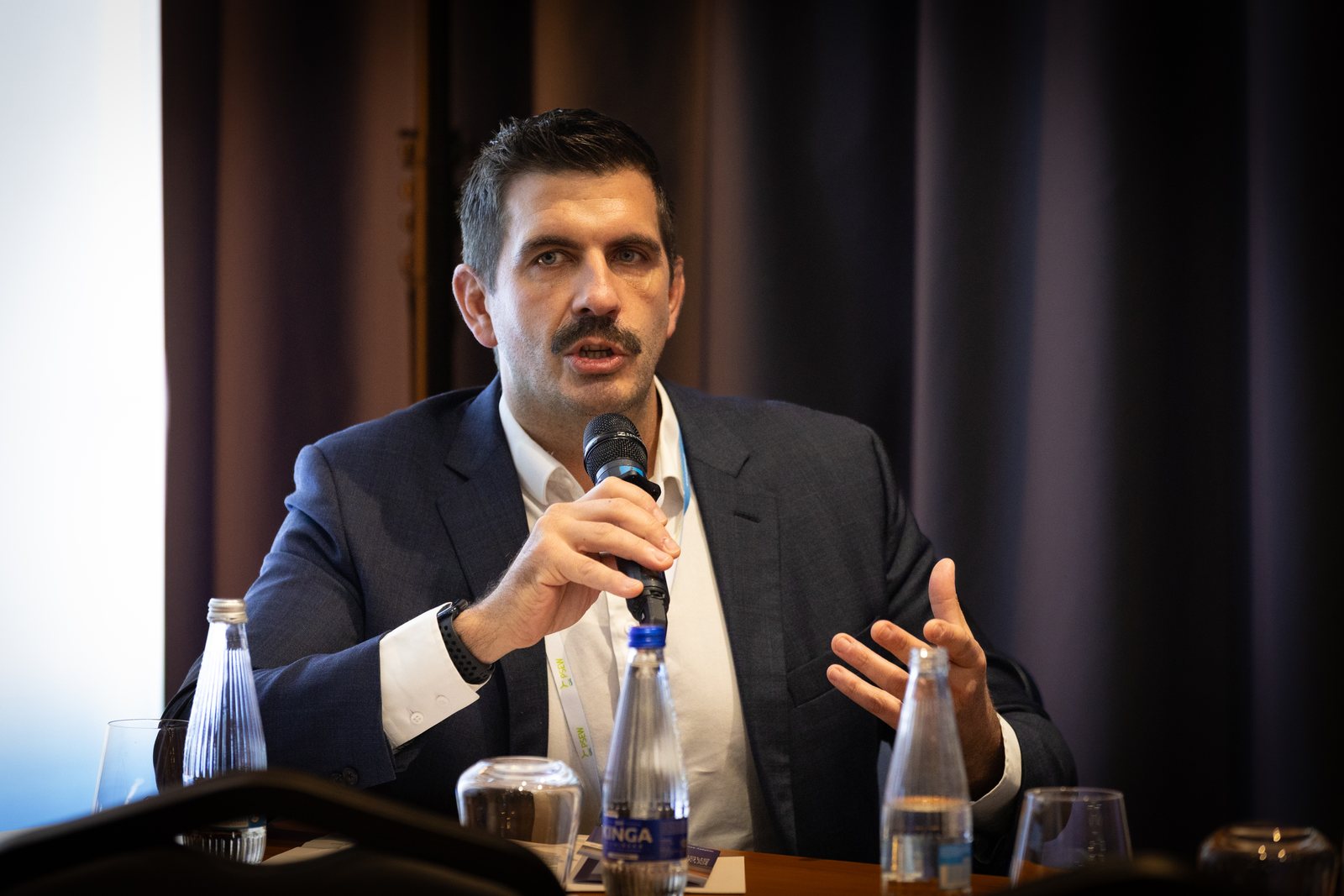
Nick Ingham, EPCI Director at Baltic Power, knows both sides of offshore construction. Nick, a deck officer by trade, brings practical maritime experience to his project leadership role. He has worked through the development and procurement stages of Baltic Power.
Nick explained how the project’s HSE requirements start long before anyone mobilises offshore. Contractors need to understand the rules from the beginning. Those expectations then have to reach the smaller subcontractors working several levels below the developer.
That’s not always straightforward.
A Tier 1 contractor might have years of offshore experience. A smaller supplier entering the industry for the first time might need considerably more support. Nick described how Baltic Power works with its contractors to help them understand and meet those requirements.
Verbatim · Workshop recording
“We’re not there to beat the contractor with a set of contractual requirements, but we’re there to hold the contractors’ hands.”
He also spoke openly about construction schedules. Pressure exists. We all know that. And even when it’s managed at project level, the crews offshore can still feel it.
Nick’s approach was practical. Set achievable schedules, get management offshore and listen to the people doing the work. He also raised the importance of management visiting vessels and fabrication facilities.
I liked that.
You can spend all day looking at progress reports, but sometimes the best thing you can do is get your boots on the ground and have a yarn with the crew. They’ll often tell you things that never make it into the morning meeting.
I’ve seen plenty of senior management visits offshore. The good ones don’t just walk around taking photos. They stop, talk to the crew and have a dart with the riff raff, find out what’s going on. That’s what I liked about Nick’s approach.
02/ 07Vestas
Sometimes crews put pressure on themselves
Sławomir MichalukProject Director, Vestas
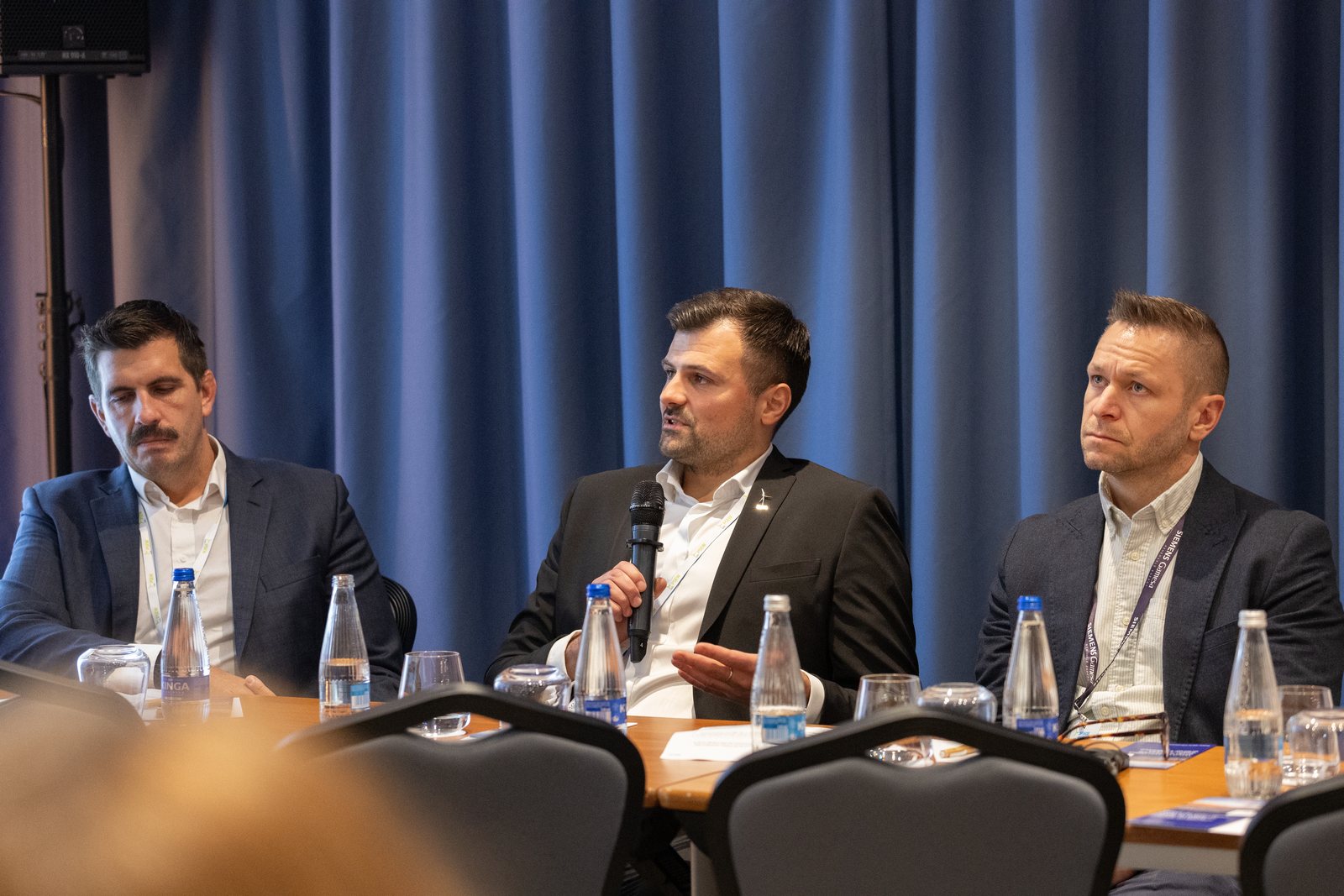
Sławomir Michaluk, Project Director at Vestas, raised something I’ve seen plenty of times offshore.
You don’t always need a project manager breathing down your neck for pressure to build. Sometimes crews create it themselves.
They want to finish the lift. Complete the installation. Improve on yesterday’s performance. Once the lads get on a roll, day shift starts competing against night shift, or the other way round. It’s human nature. Everyone wants to be the better team. But once a crew sets a standard, that standard is seen as always possible, and it creates competition nobody planned for.
That’s often a sign of a motivated team. But Sławomir explained why managers need to recognise when that drive for better performance starts putting unnecessary pressure on people.
He also spoke about looking after colleagues, giving workers the confidence to stop an unsafe job, and supporting people who have witnessed serious incidents.
That last point matters.
An incident doesn’t only affect the person who gets injured. The people working alongside them can carry that experience for a long time. Good safety leadership means recognising that too.
03/ 07PGE Baltica
Give people the confidence to speak up
Monika WeisQHSE and ESG Director, PGE Baltica
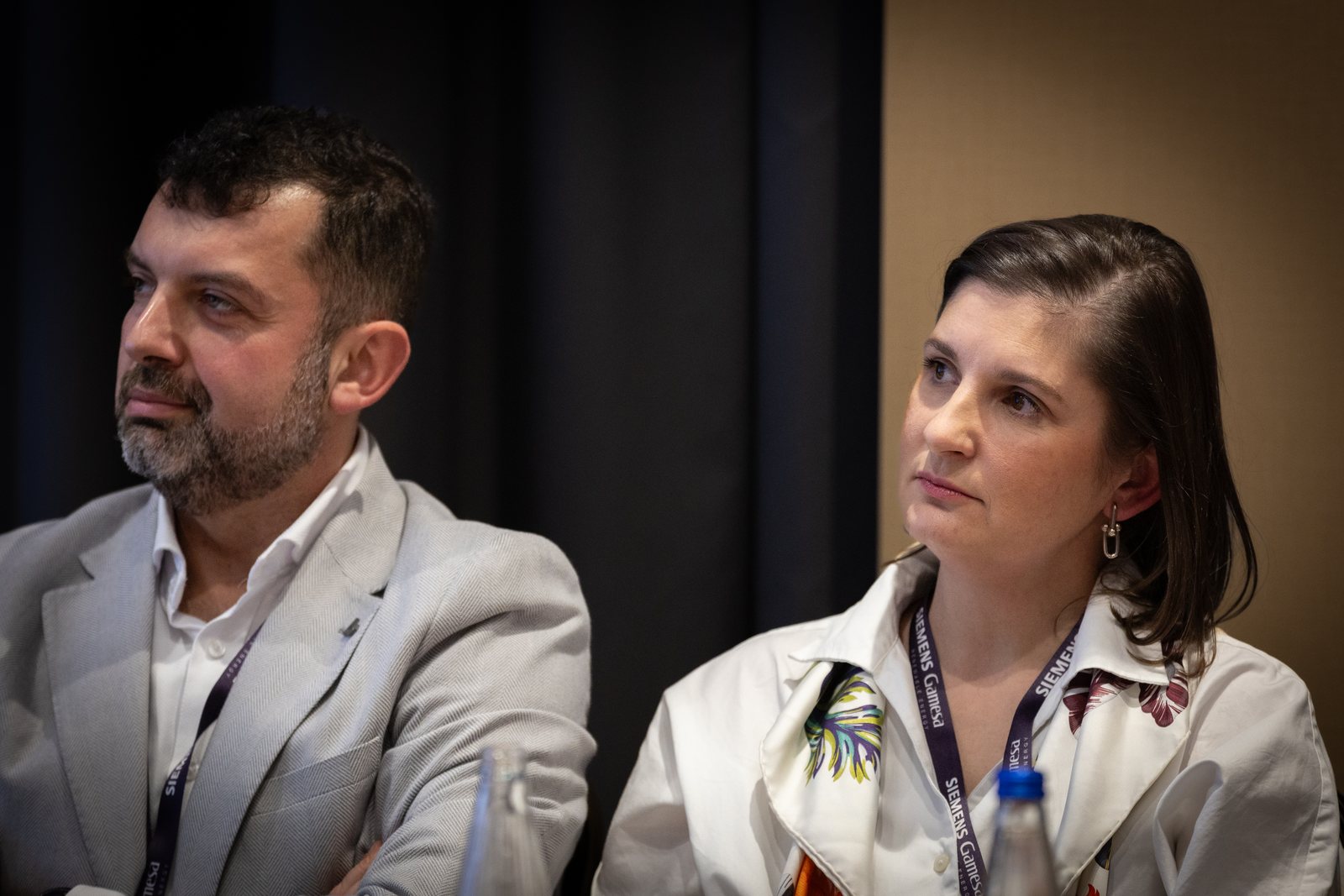
Monika Weis, QHSE and ESG Director at PGE Baltica, brought another important subject into the discussion.
Psychological safety.
It’s a term we hear regularly these days, but Monika gave some practical examples of what it means inside an organisation. People need to feel comfortable telling management when something isn’t right.
That sounds simple. But anyone who’s worked with multicultural crews, different nationalities and several levels of management knows that the human response is not always the same.
Verbatim · Workshop recording
“It’s a business thing. It’s not only safety.”
Monika described how PGE Baltica encourages open chats, gets senior managers into the field, supports supervisors and involves contractors in safety activities. She also spoke about an internal programme focused on helping managers look after their own wellbeing.
It’s a good point. If a supervisor is exhausted, constantly under pressure and barely has time to listen, how much support can that person realistically give the crew?
Monika’s message was that leaders need to make time for people. And those same safety expectations need to reach everyone on site, regardless of which contractor employs them.
04/ 07Ørsted
Are we rewarding the right decisions?
Jes Björk ThraneHead of QHSE, Generation CE, Ørsted
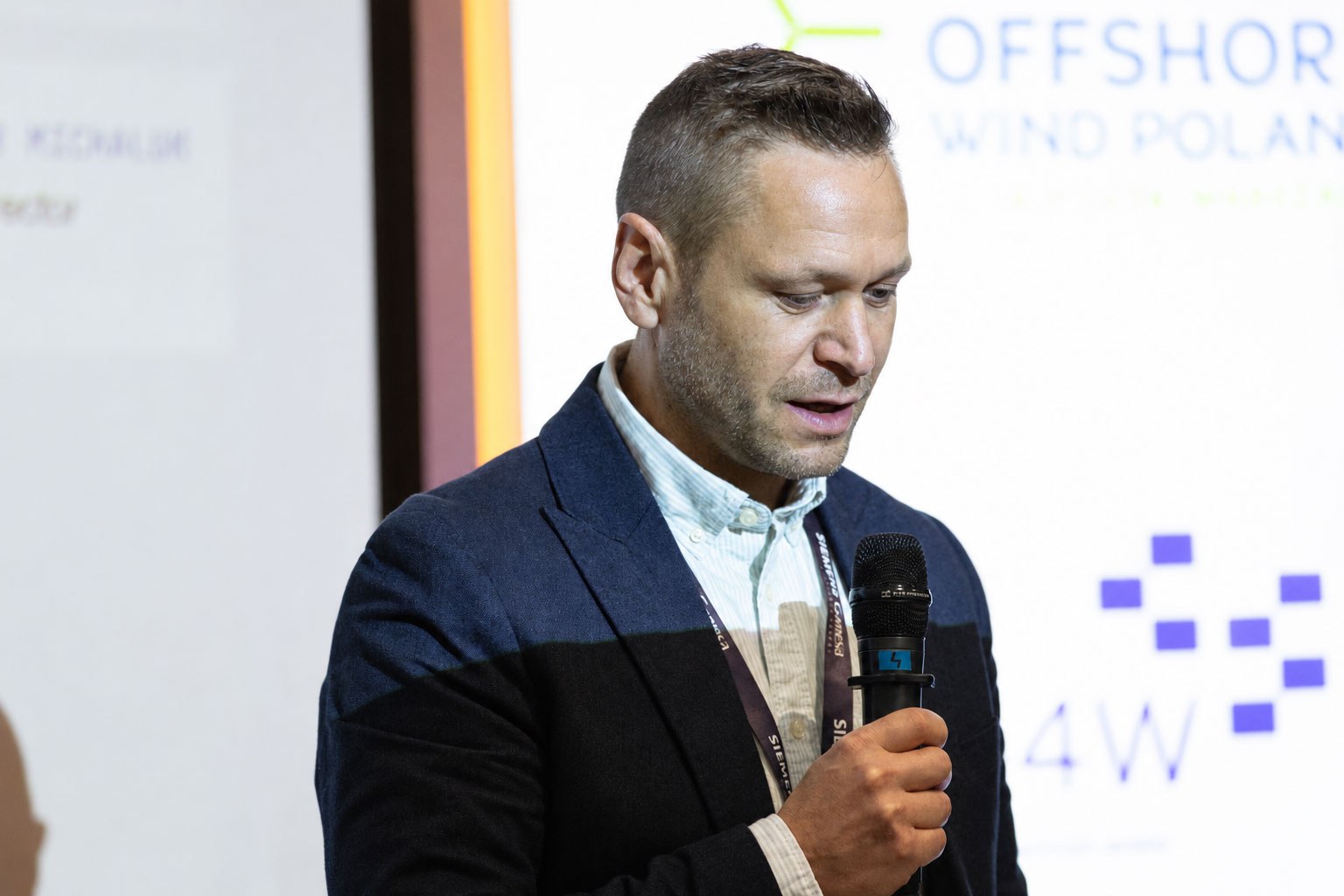
Jes Björk Thrane from Ørsted discussed safety from the operations and maintenance side.
Construction might finish, but the hazards don’t vanish. You’ve still got vessel transfers, lifting operations, electrical systems, dropped object risks and technicians working offshore in changing conditions. Some of those technicians may spend years working on the same installations.
Verbatim · Workshop recording
“Complacency is definitely one of the issues we see when we go into operations.”
Jes raised the importance of maintaining safety awareness as tasks become familiar. He also discussed fair safety culture, leadership visits offshore and mental health support.
From the floor
The question from the back deck
Later in the workshop, I had the chance to ask the panel a question. After 21 years offshore, I’m still conducting toolbox talks, TRAs, hazard hunts, lessons learned, risk assessments and permits to work. They’re good tools. They’ve improved a lot over the years and we need them.
But I wanted to know what else the industry could be doing. Could we bring in fresh approaches, different training methods, independent specialists or external training providers to challenge the way we think about safety?
I’m not saying HSE offshore isn’t enough. But I’ve come across some impressive training providers who come offshore and run tailored campaigns.
Asked from the floor by Daniel Russell · Aurora Media Hub
Jes gave an answer that really caught my attention. He spoke about safety performance management and recognising the decisions people make, rather than concentrating only on the final production result. He used a turbine control room example.
The control room example · Turbine status
- RedOffline
- AmberStandby
- GreenProducing
“How it went from red or yellow to green doesn’t matter.”
What the dashboard doesn’t show
- Job planned properly
- Tools ready
- Waited for the weather
- Crew prepared
When a turbine is offline, the dashboard might show red or yellow. Once it’s producing again, it goes green. But what about the decisions made along the way?
Sometimes the right call is to leave the turbine offline overnight. Give the techs some time to prepare the job properly. Make sure the tools are ready. Wait for suitable weather.
That might not look like a production win on the dashboard. But it can be the right decision for the crew.
And that’s the bit I found interesting.
We’ve spent years teaching people to identify hazards and follow procedures.
We also need to recognise the people making good decisions when nobody’s watching.
05/ 07ORLEN Neptun
Keep people at the centre
Tomasz CendrowskiChief HSE Expert, ORLEN Neptun
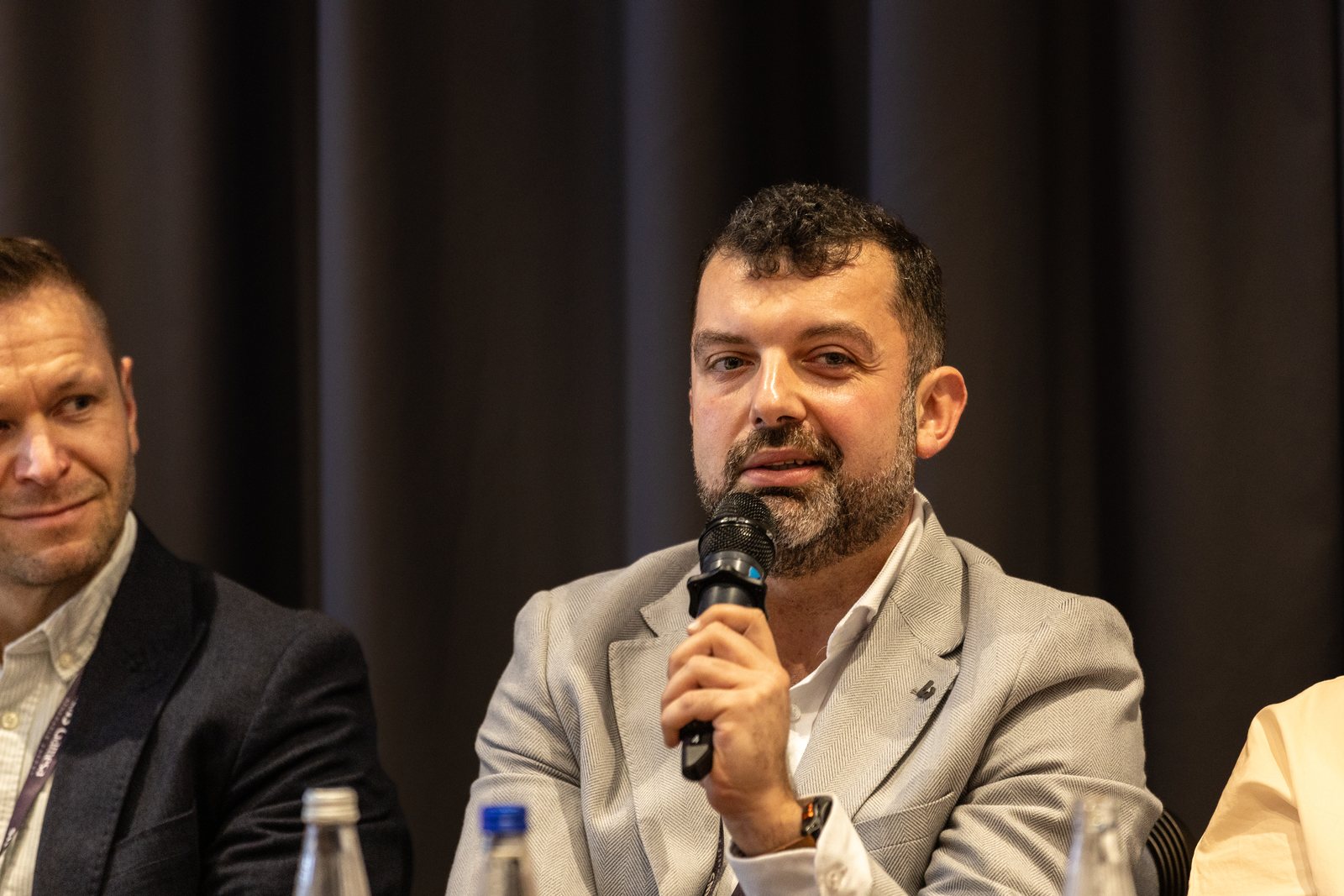
Tomasz Cendrowski, Chief HSE Expert at ORLEN Neptun, shared lessons from his experience with Baltic Power. He spoke about the importance of management engagement, having client representatives on site and working closely with contractors.
The message was straightforward. Safety isn’t something you leave entirely to the HSE department. It belongs to everyone involved in the job.
Tomasz also discussed burnout, stress and supporting employees who may be struggling. He described workshops and other initiatives designed to help people recognise problems before they become more serious.
Another important point was the relationship between people and project performance indicators.
Verbatim · Workshop recording
“Human will be in the center. Not the KPIs, not the money.”
We need KPIs. That’s part of running a major construction project. But the people doing the work must remain central to the decisions we make.
I’ve worked on enough vessels to know that a good set of numbers doesn’t automatically tell you how the crew is travelling. You still need to talk to them.
06/ 07Health4
Make sure the procedures work for the people using them
Hanna DrabczykCEO, Health4
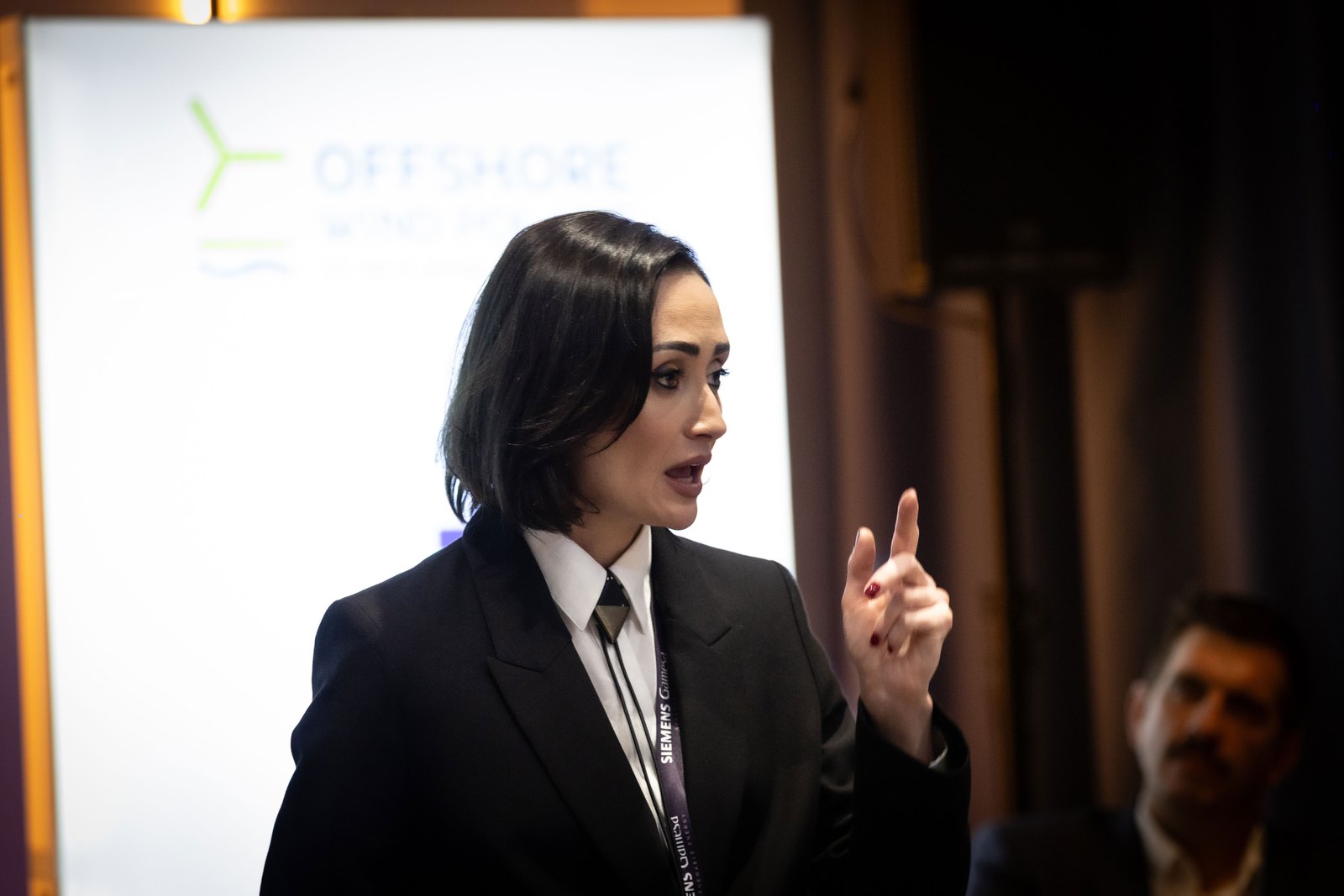
Hanna Drabczyk, CEO of Health4, brought the workshop together with a strong message about people and the way work is organised.
We spend a lot of time writing procedures, checklists and work instructions. And rightly so. But Hanna raised something worth thinking about.
What happens when the procedure doesn’t match the conditions people are actually working under?
A worker might be trying to follow the rules while dealing with conflicting priorities, poor planning or a work front that hasn’t been set up properly. That’s where management needs to look beyond the paperwork.
Verbatim · Workshop recording
“People work both with their hands and with their minds. And if one of those fails, that’s when accidents happen.”
Hanna also discussed the importance of involving contractors early, during procurement, and helping new companies develop the standards expected in offshore construction. That matters particularly as Poland builds its own offshore supply chain.
We want Polish companies involved. We want skilled workers, vessels, ports and suppliers developing here. But every company entering offshore work needs the competence and support to do the job safely.
Hanna also made an important point about planning for operations and maintenance. The people maintaining these wind farms for years to come need to be part of the conversation before construction finishes.
Good thinking.
07/ 07The takeaway
From the boardroom to the back deck
Maksym JeziornyCo-moderator, Health4Wind
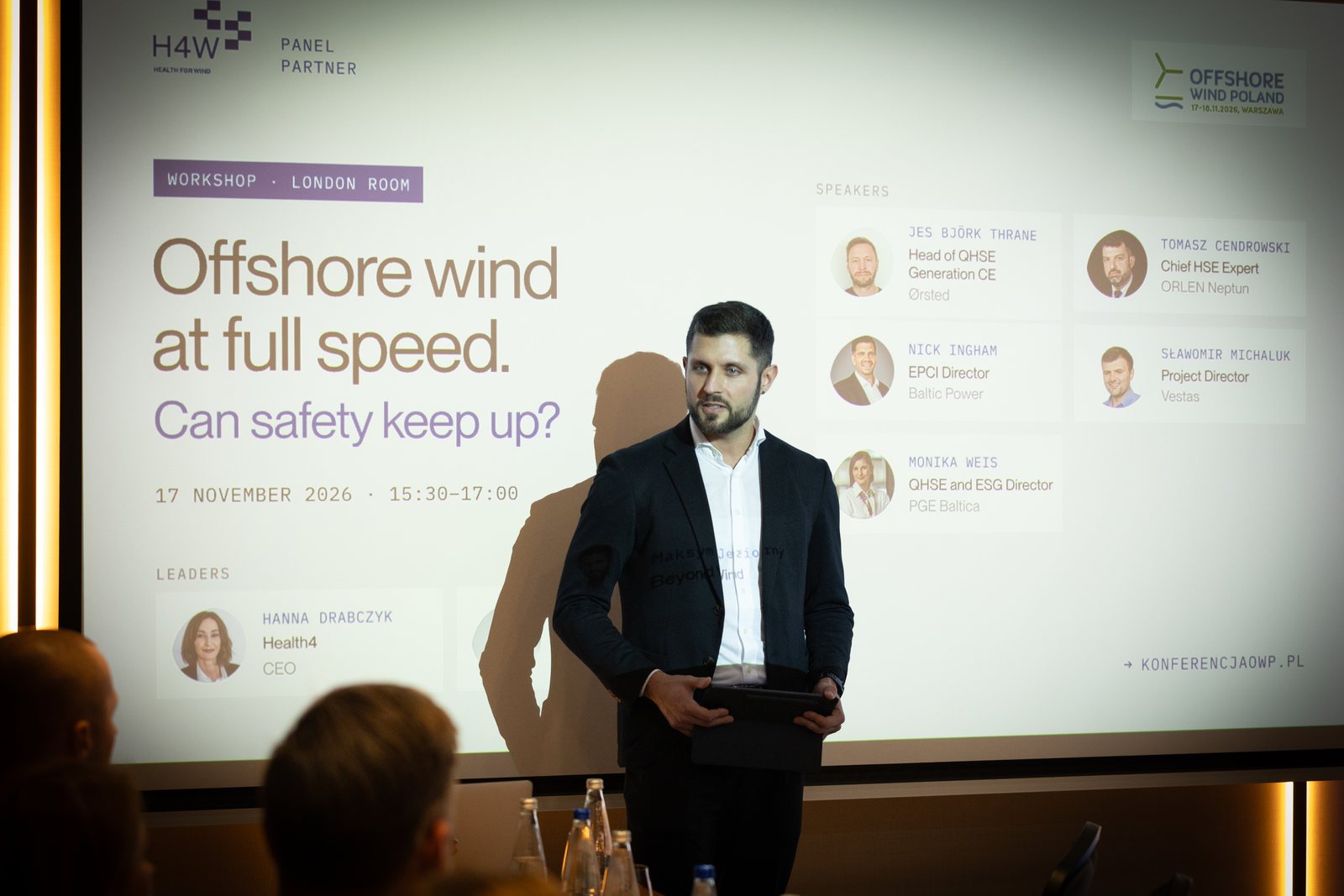
Hanna and co-moderator Maksym Jeziorny kept the conversation moving through some important subjects.
- Contractor readiness
- Psychological safety
- Schedule pressure
- Leadership
- Mental wellbeing
- The transition into operations
Different speakers brought different experiences. But there was plenty of common ground.
The common ground
- Nick InghamBaltic PowerRealistic schedules, and management offshore.
- Sławomir MichalukVestasThe pressure crews put on themselves.
- Monika WeisPGE BalticaThe confidence to speak up.
- Jes Björk ThraneØrstedHow we recognise safe operational decisions.
- Tomasz CendrowskiORLEN NeptunPeople at the centre of project management.
- Hanna DrabczykHealth4How work is planned, and the procedures crews follow.
For me, that’s a valuable discussion to be having as the Baltic offshore industry grows. We’re already seeing greater cooperation between developers, suppliers and industry organisations across the region. There’s a good opportunity to share what works in offshore safety too.
The offshore industry has spent decades developing safety systems. We shouldn’t throw that experience away. But we should keep asking how to make those systems work better.
I’ve been on the back deck. I’ve supervised heavy lifts, installed jackets, laid pipelines and recovered XTs from 1,000 metres of water. And I’ve seen how much difference good planning and a decent supervisor can make.
At the end of the day, the paperwork needs to match the job. The crew needs to understand the risks. And management needs to listen.
Pretty simple really. The hard part is making sure it happens every day.
Aurora Media Hub recorded the Health4Wind workshop discussion at Offshore Wind Poland 2026. Quotes are verbatim from the AMH recording.