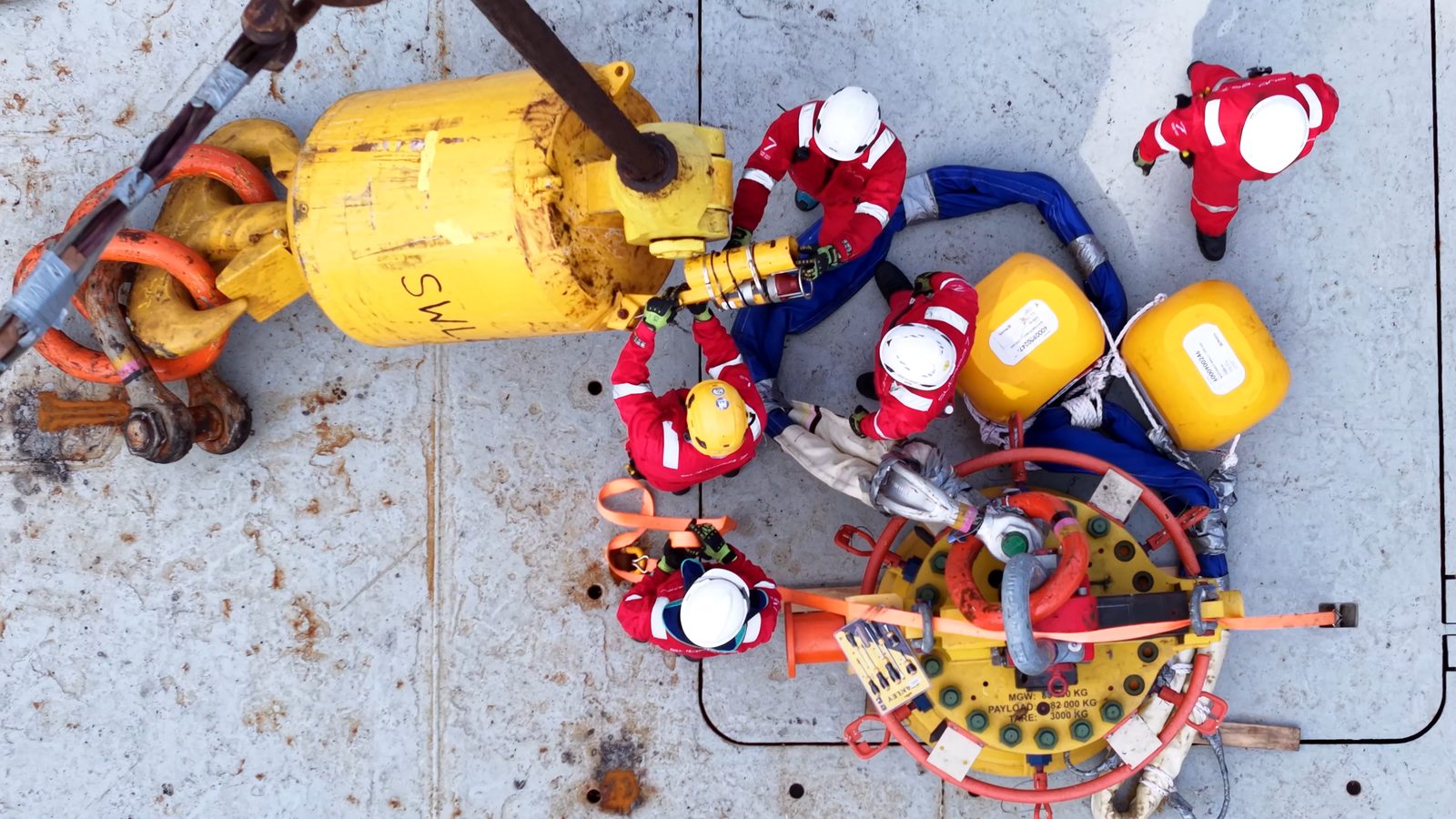
The view crews never get.
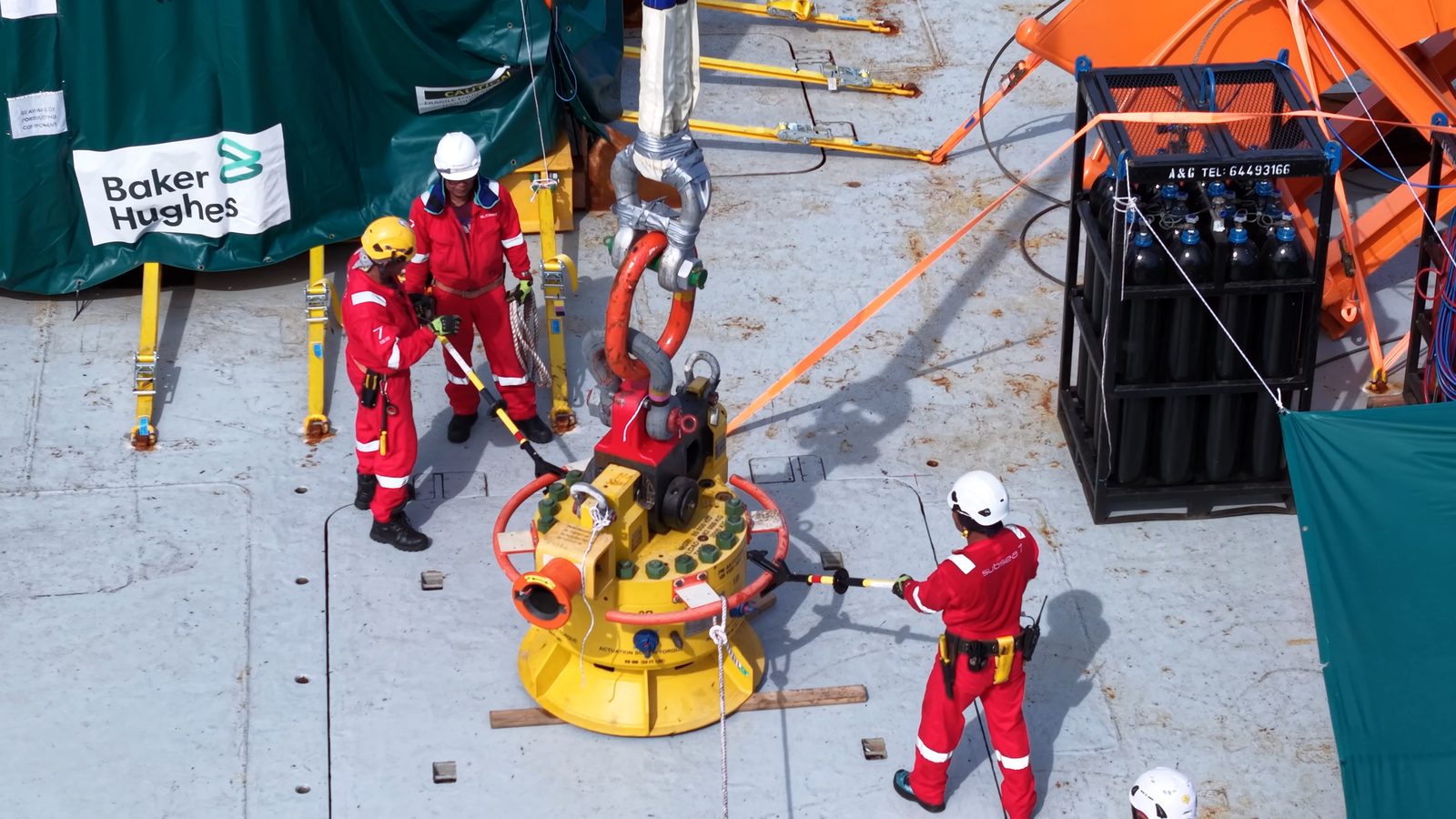
A visual safety awareness programme for offshore lifting, rigging, marine and deck operations. Using controlled aerial footage from a safe distance, we give crews a clear bird's eye view of their own worksite: crane paths, escape routes, line of fire, deck congestion and situational awareness. Not a blame exercise. A practical offshore learning tool built around awareness, reflection and improvement.
HSEQ you can see, on every part of the campaign
HSE Altimeter™ shows HSEQ (Health, Safety, Environment and Quality) is built into every part of the EPCI (Engineering, Procurement, Construction and Installation) campaign: the quayside, the laydown yard and the installation vessel back deck. Your crews see their own work from above, and you get proof that it happened.
No disruption to the work
Filmed by drone from a safe distance over 2 to 3 days. No lifts held up, no crew pulled off the job, nothing staged.
One 45 minute session
The whole crew goes through their own footage together. Fits around a shift change, and it lands.
Something to show the client
Annotated footage and slides that show your client how behaviour on deck is being managed, from the quayside to the back deck.
English and Polish
Sessions run in English and Polish, so the message reaches the whole crew, supervisors and deckhands alike.
2 to 3 days filming. One 45 minute session. It sticks.
I fly a drone over the quayside, the laydown yard and the installation vessel back deck for 2 to 3 days and film the crew working from a safe distance. Then we sit down with the team for a 45 minute session and go through the footage together.
Every time, no word of a lie, even the offshore veterans get caught out.
It's not about pointing fingers. The session turns into banter. The banksman spots the deck foreman in the wrong spot, the rigging super sees the cargo strap he forgot to remove before the lift. The lads get stuck in, picking out the bad practices and the inconsistencies, and the good habits and positive actions too.
Seeing your own crew from above sticks better than any toolbox talk.
2 to 3 days over the quayside, laydown yard and back deck, from a safe distance.
45 minutes in front of the big screen. The crew finds themselves, and each other.
Stand clear, tag line in hand, escape route open. That's the bit that sticks.
What crews catch themselves on
- Standing in snapback zones
- Walking under loads
- No tag lines
- Crane path not cleared
- Trip hazards
- Escape routes blocked
- Dropped objects not checked
The operation as a complete system
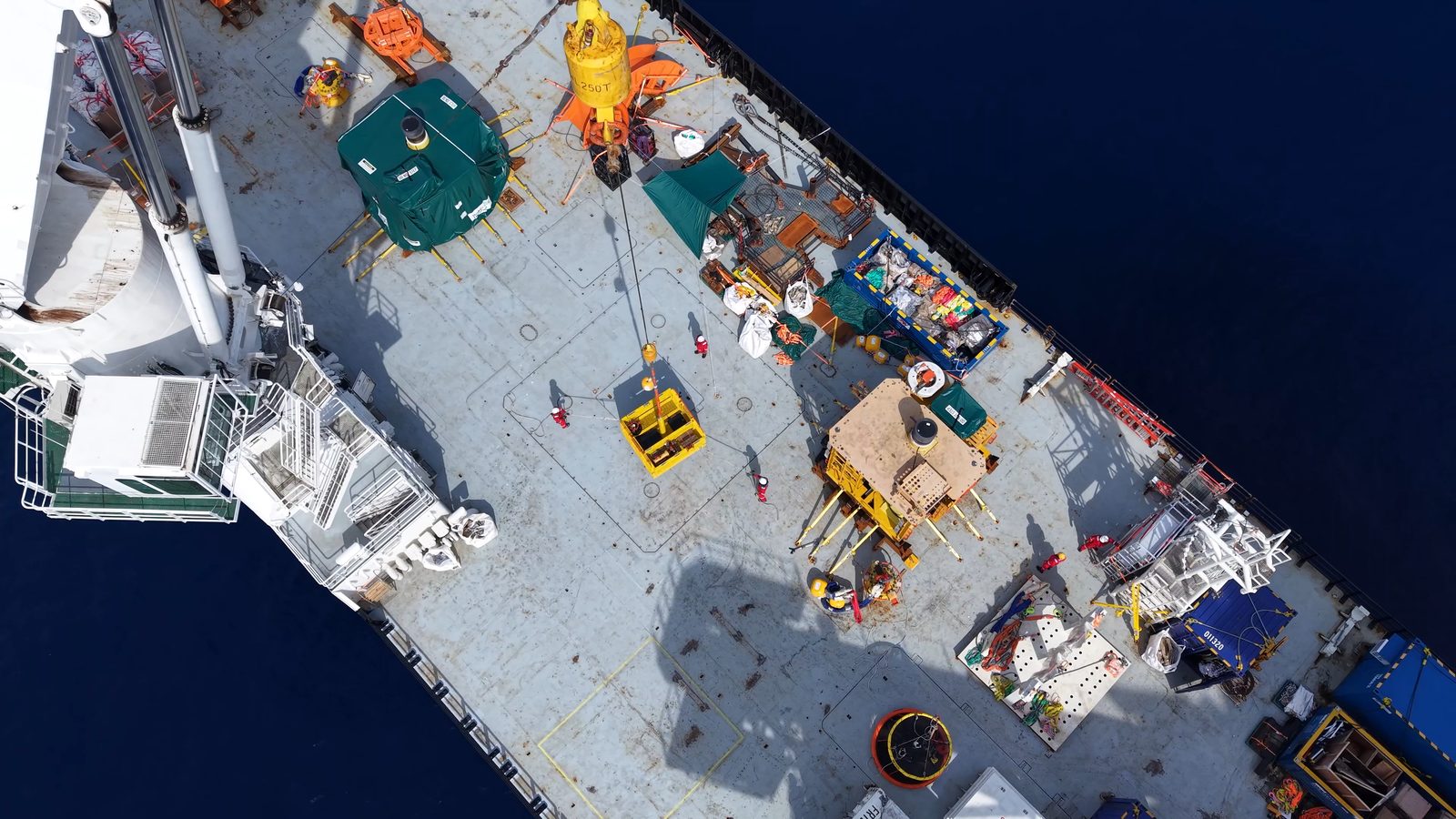
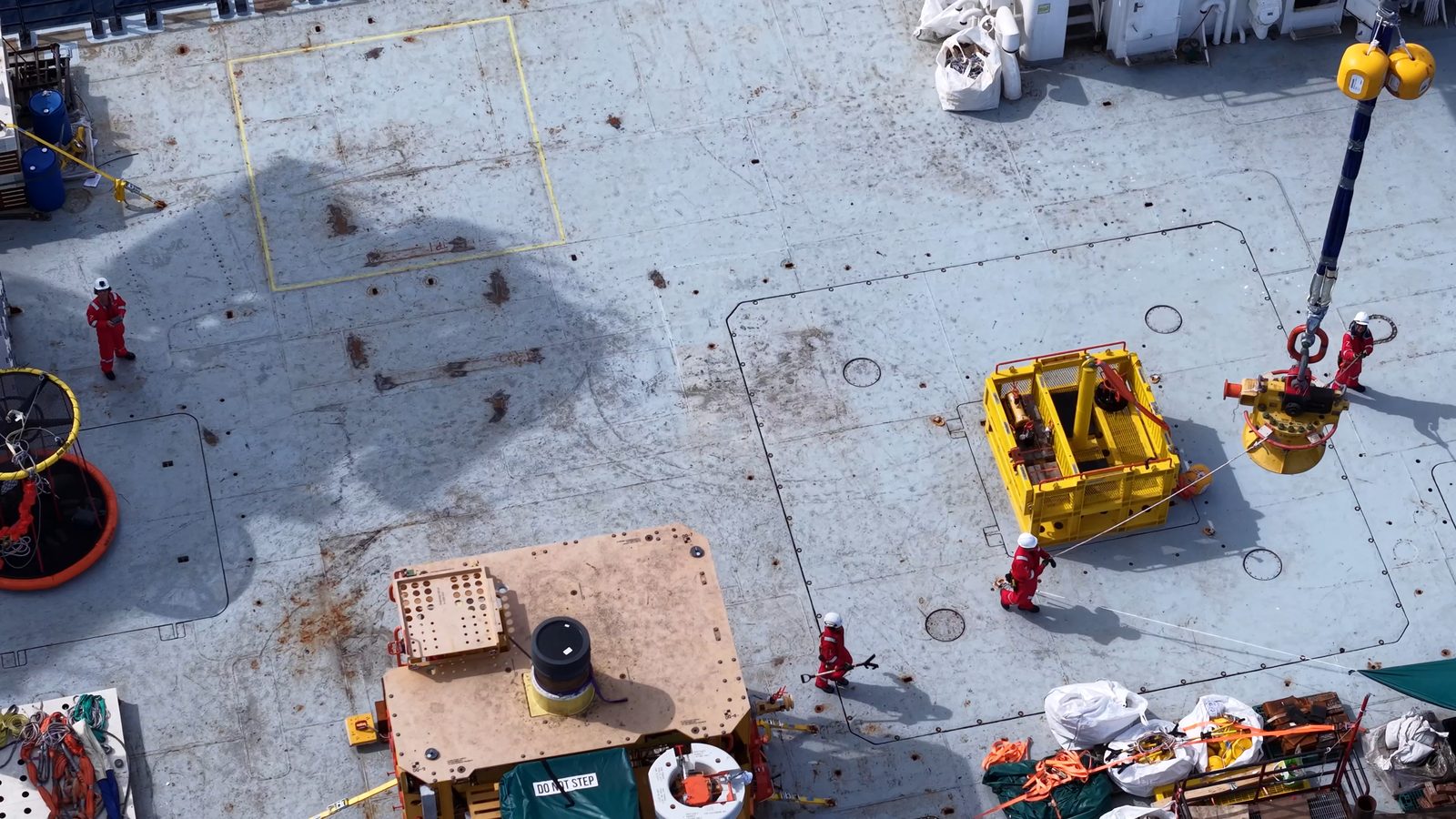
On the back deck, everything happens fast. Loads move, tag lines come under tension, riggers adjust position, and multiple work fronts compete for the same space. From deck level, crews are focused on the task in front of them, exactly how offshore work happens. But from above, a different picture appears.
HSE Altimeter™ shows the full operation in one frame: crane radius, load path, escape routes, pinch points, standby positions, landing area and crew movements around the lift. That perspective helps crews see the operation as a whole, not just as individual tasks, and it stays with them long after the session ends.
Reviewed through the lens of real offshore work
Body positioning
Where people stand in relation to the load, crane, rigging, pinch points and escape paths.
Line of fire exposure
Whether personnel are exposed to stored energy, suspended loads, tensioned lines or moving equipment.
Crane path awareness
How well the team understands the movement of the load from pick up to landing.
Tag line control
Whether tag lines are helping control the load or placing personnel in poor positions.
Escape routes
Whether crews have a clear way out if the load swings, shifts, drops or moves unexpectedly.
Deck congestion
How equipment, hoses, rigging, containers, scaffolding and people affect the work area.
Landing zone preparation
Whether the final landing position is clear, controlled and suitable before the lift starts.
Positive behaviours
Strong communication, good spacing, clean teamwork, disciplined waiting positions and safe execution.
Simple, controlled, easy to integrate
Designed to fit into normal offshore operations without interfering with the work.
Planning with HSE & operations
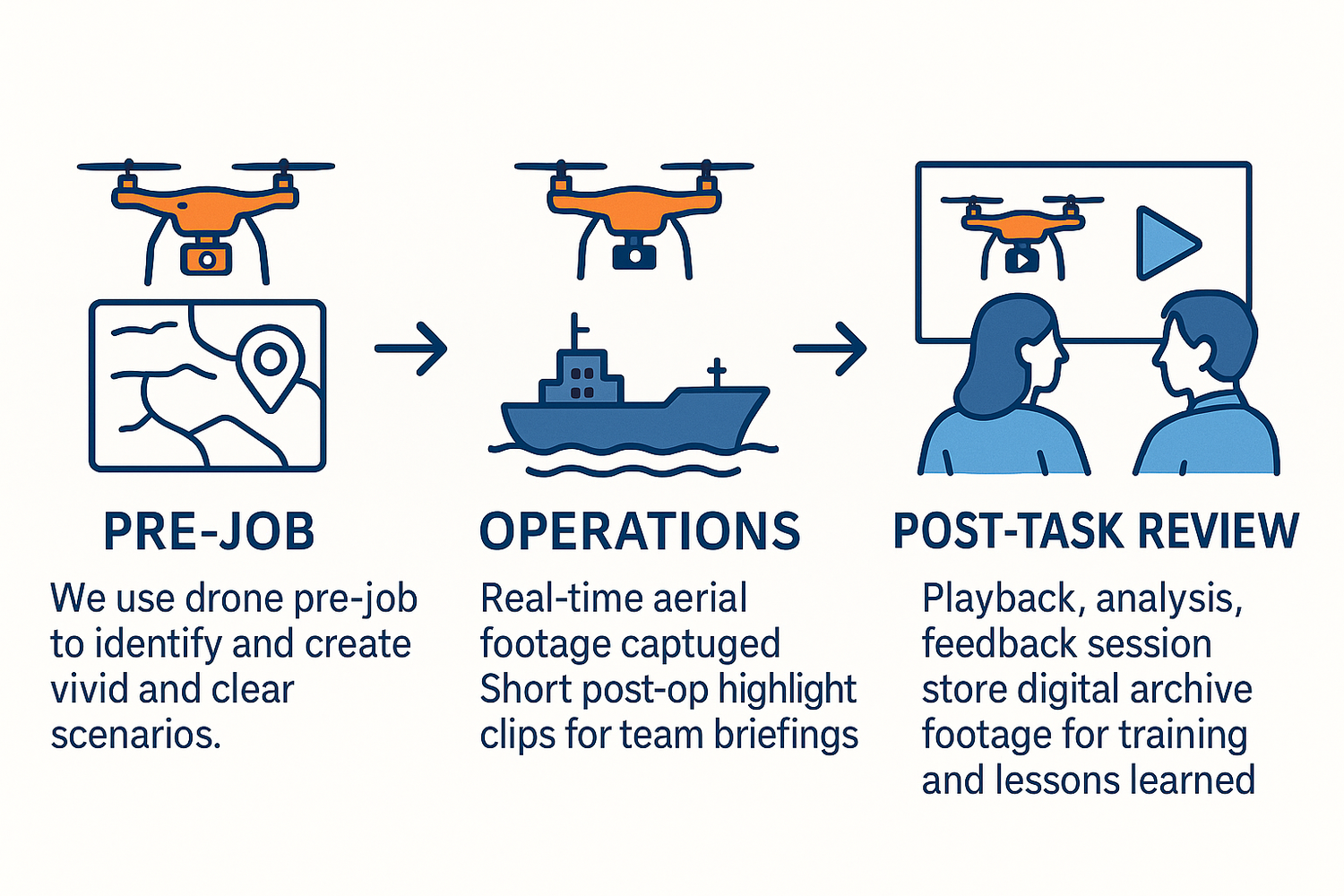
Before any filming, AMH (Aurora Media Hub) sits with the HSE (Health, Safety and Environment) team, vessel leadership, field engineers, rigging foremen and crane team to agree scope, limits, exclusions and safe method.
Controlled aerial capture
2 to 3 days of drone footage over the quayside, laydown yard and installation vessel back deck, filmed from a safe distance without interfering with the work. Nothing is staged.
Footage review & selection
AMH reviews the material and selects practical examples showing both strong habits and improvement opportunities.
Visual presentation build
The footage becomes short, clear learning slides: screenshots, annotations, sequence clips and discussion points.
Crew reflection sessions
The whole crew sits down for one 45 minute session and goes through the footage together. Open, practical, no blame, run in English or Polish.
Learning carried forward
The strongest lessons are carried into the next shift, next lift, next toolbox talk or campaign safety focus.
Not designed from an office
21 years offshore. I came up from the back deck rigging, banking cranes and swinging loads, so I talk their language. I know the pressure of lifting operations: the noise, the radio traffic, the moving loads, the changing deck conditions, and the way crews make decisions in the moment.
The programme speaks the language of offshore crews. It doesn't lecture riggers from a textbook. It shows real work, real positioning, real decisions and real outcomes from a perspective that makes sense. That's why the sessions land: they know it's built by someone who has stood under the same crane path, with the same load moving overhead.
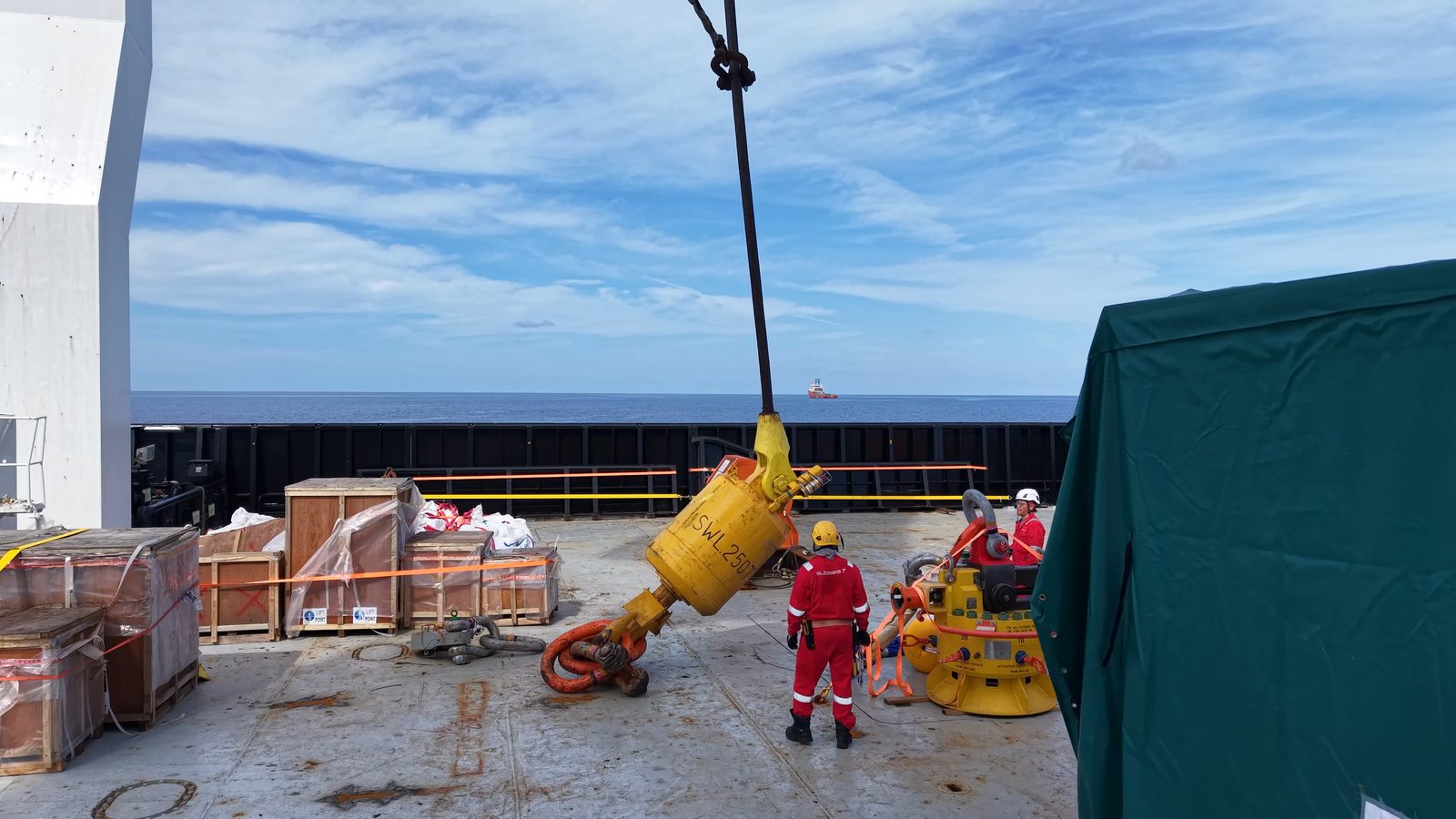
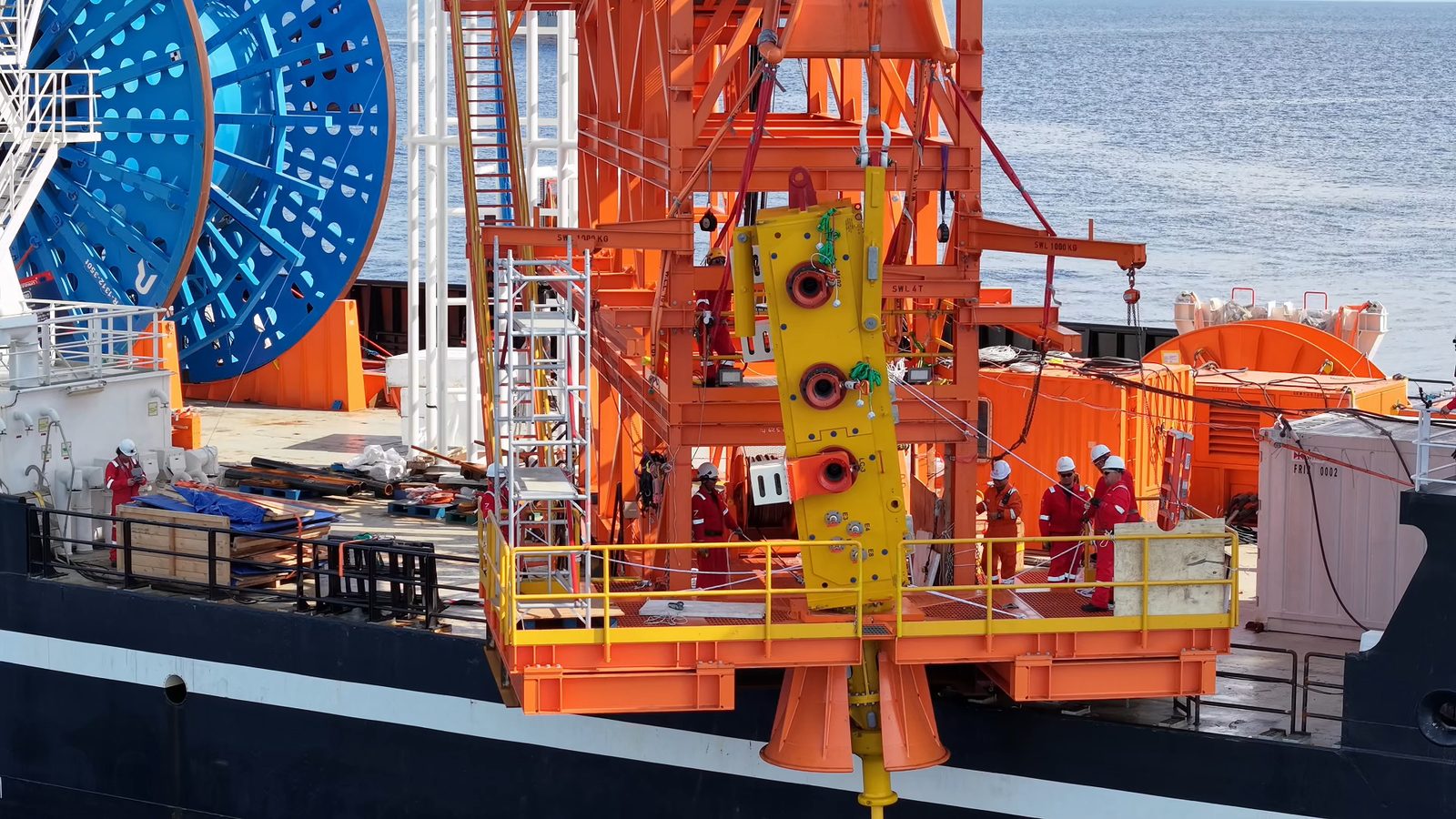
Real decks, real operations
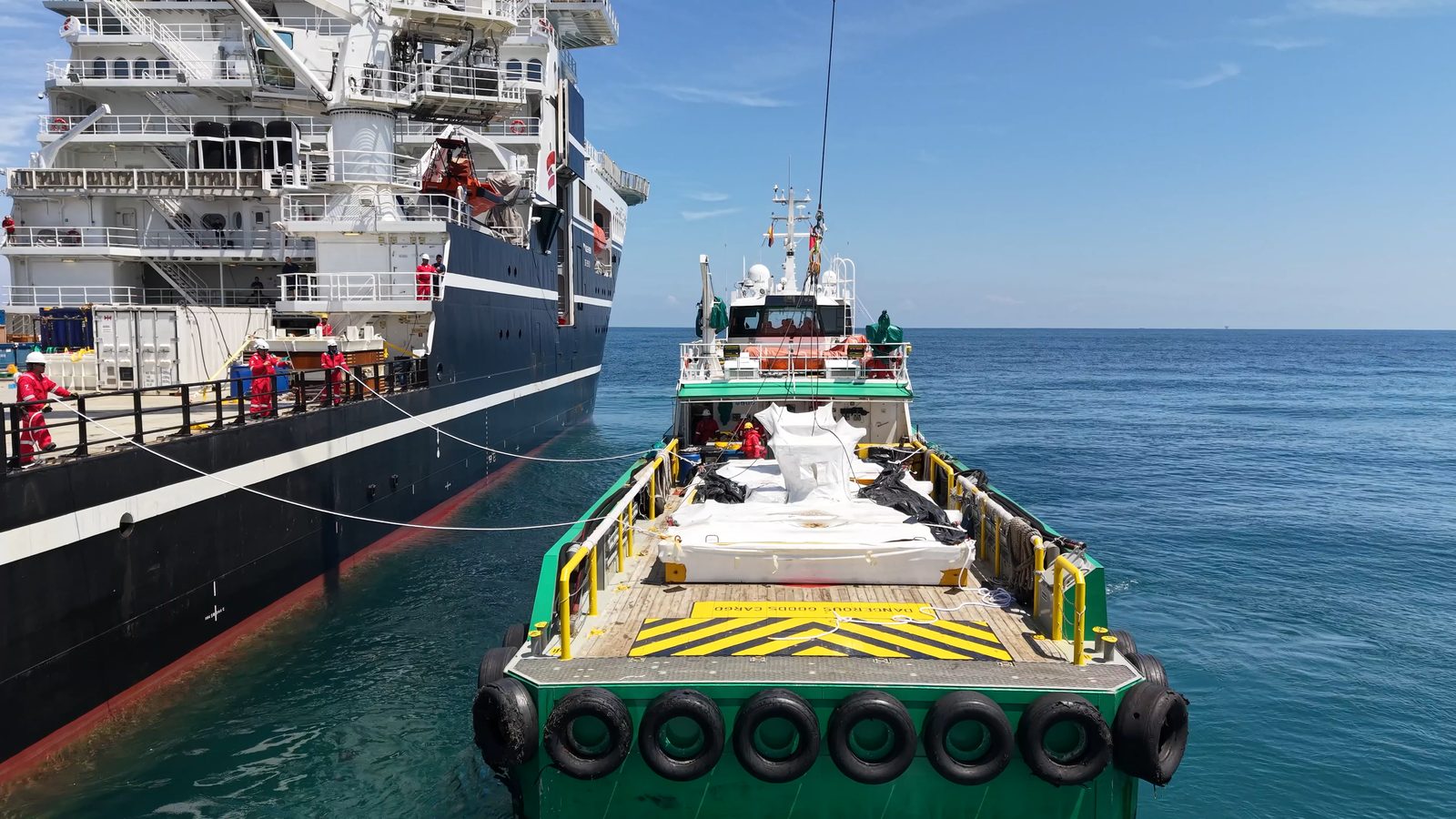
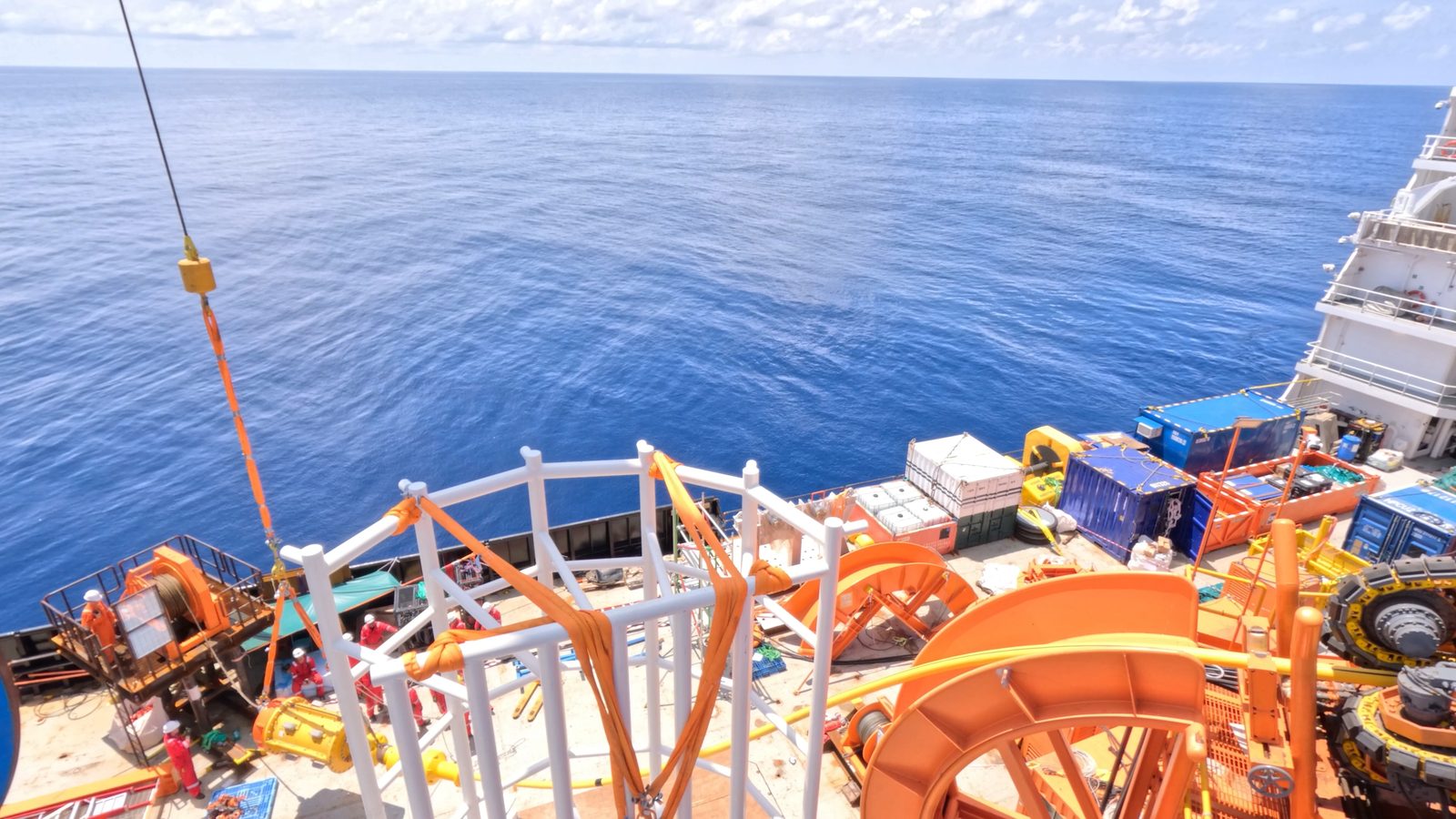
The HSE Altimeter™ package
Aerial footage of deck operations
Selected operations captured under controlled conditions and agreed safety boundaries.
Annotated safety review slides
Clear visual points showing body positioning, crane path, escape routes, line of fire and deck layout.
45 minute crew session
One interactive session where the crew reviews their own footage together, run in English or Polish.
Positive behaviour examples
Footage that reinforces good practice and strong team execution.
Improvement observations
Controlled discussion points that support better planning and safer work execution.
Optional internal training asset
A polished version retained by the client for future induction and vessel specific HSE learning.
Where HSE Altimeter™ fits
Offshore lifting operations
Crane lifts, deck transfers, load positioning, rigging activity, tag line control, took hands off the block.
Pipelay & subsea support vessels
Back deck operations, equipment handling, basket transfers, rigging preparation, swinging pipe, seafastening, backloading.
Wind farm installation support
Component handling, vessel deck activity, port mobilisation, pre assembly operations, MP upending, stabbing lift, hammer and hose management.
Shipyards & fabrication yards
Congested work areas, heavy equipment movement, crane operations, simultaneous work fronts.
Campaign safety focus
Short term HSE awareness during mobilisation, offshore execution or high risk project phases.

A different angle changes the conversation
Give offshore crews the chance to see their own work from above, understand the operation as a whole, and carry stronger awareness into the next lift. Visual. Practical. No blame. Built for real crews in real project environments.