
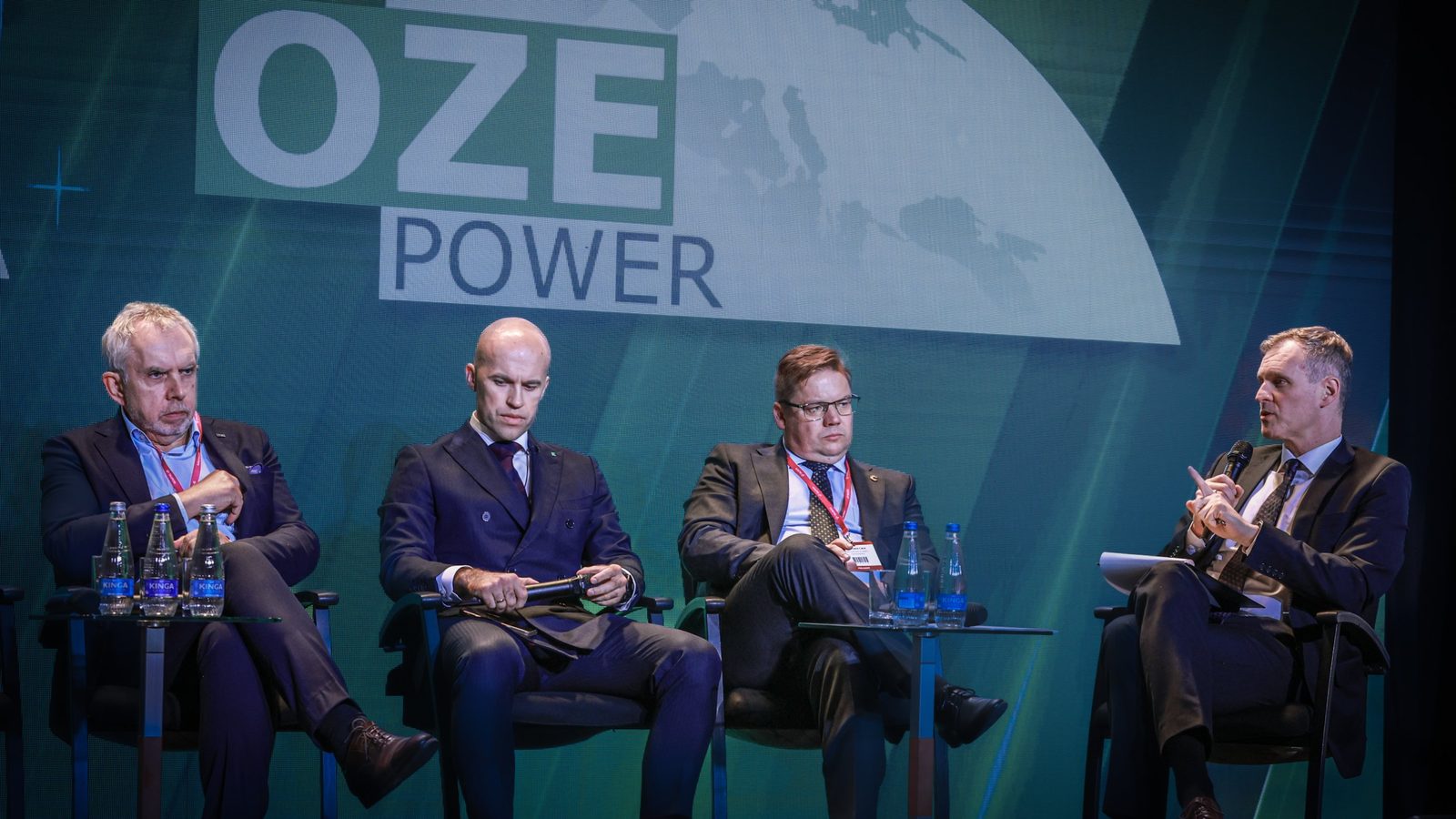
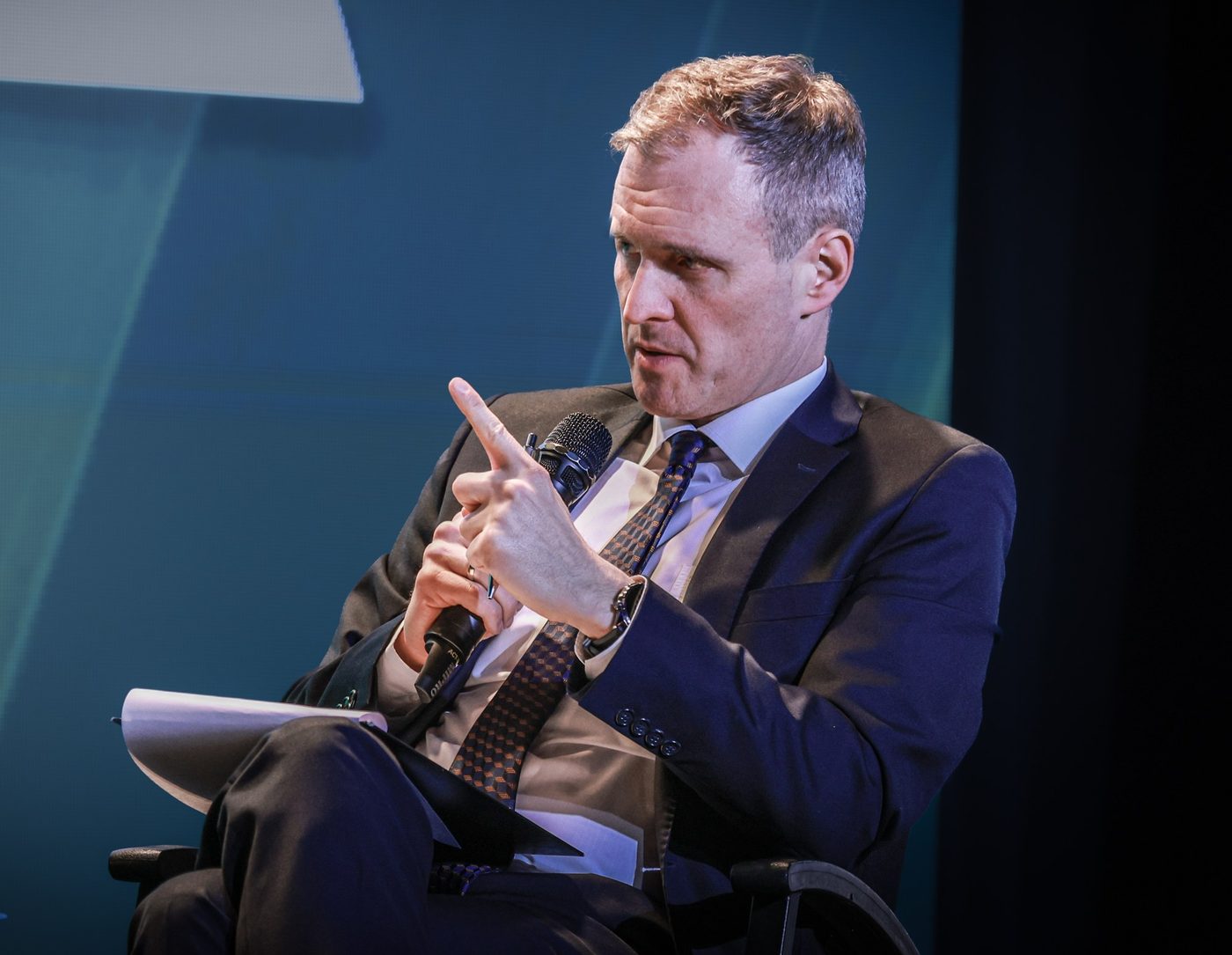
Piotr Czopek spent the afternoon of 5 November moderating the offshore debate at EuroPOWER, “The role of offshore in Poland’s energy security”. When he sat down with us afterwards, he did not start with gigawatts. He started with resolve.
“You need to know where you want to go and you need to follow no matter what, then you will deliver.”
He was answering our question about Australia, which opened its first offshore wind auction in August while some large developers handed back their licences off Gippsland. Czopek’s view is that Poland never had the luxury of hesitation. “I think that for us it’s easier than for you guys in Australia because you have more resources. You have a lot of coal, you have gas, you have oil, everything you need.” Poland’s position is different, and so is its resolve: “So that gives us a stronger mandate, you know, to go forward no matter what.”
Security First
For Czopek, the case for offshore wind now starts at the border. “We have also war outside of our borders. That means that we need to be secure, we need to have this energy, our own produced energy.”
He pointed to the Strait of Hormuz and what disruption there did to gas prices, and to electricity prices in Poland that he calls “very, very high”. His conclusion is short: “Offshore wind is the future for us, of our independence.”
The Baltic itself is part of the security picture. Czopek named the Russian shadow fleet as a new threat, and said the answer is regional: “We need to work together to handle it.” PSEW, he says, will focus on cooperation across the Baltic Sea region, both to protect infrastructure and to build new industrial bases for offshore wind.
The Ships
The sharpest point of the interview came when we asked about installation vessels. Poland is spending billions on offshore wind, but the ships that install it are foreign.
“I personally think that we should have in Poland a Polish company that owns the vessels and can do all this construction works for Polish project and beyond.”
He pointed to Denmark’s Cadeler as proof that a large installation fleet can be built quickly. And he set out the market: around 18 GW (gigawatts) built or in construction in Poland, around 300 GW across Europe, and a Baltic potential of 93 GW. In his view, a Polish vessel company would not stop at Polish projects. It could work in Lithuania, Latvia, Estonia, Sweden, Denmark, Finland, and even the North Sea.
“Definitely, we need that kind of company. We need the vessels and I hope that we will do it.”
The People
Anyone who has worked offshore knows the other half of that equation. Our co-founder Daniel Russell has spent 21 years on offshore construction, most recently on a French offshore wind farm, and has worked alongside Polish dynamic positioning operators, chief engineers, marine officers and riggers on international fleets.
Czopek knows it too. Polish crews built offshore wind around the world while there were no projects at home. Now that Poland is building its own offshore sector, “...they are coming back”. The next challenge is the generation behind them. Czopek is clear that technology such as AI (artificial intelligence) and drones will help, but it will not replace training. “But education is crucial, it’s essential.”
From The Deck
From where we stand, the vessel question is the one that decides what local content really means. Polish steel on the quay is a start. Polish crews on the bridge of a Polish-owned installation vessel, working the Baltic and beyond, is an industry. With all 76 turbines now standing at Baltic Power, Poland has shown it can build. Czopek’s challenge is the next step: owning the means to build.
That conversation continues at Offshore Wind Poland, PSEW’s annual congress, on 17 and 18 November in Warsaw, under the banner “Poland enters the era of energy from the Baltic”. If Czopek has his way, that era will be sailed by Polish crews on Polish ships.
Interview: Aurora Media Hub, EuroPOWER 2026, Warsaw. Interview conducted in English.